
Premier Christianity uses cookies Read our cookie policy.
By  Emma Fowle2025-12-01T09:07:00+00:00
Gen Z are finding Jesus, but are they finding a Church ready to help them grow in faith? Emma Fowle explores the clash of culture no one is talking about
Ten or twenty years ago, most people became Christians through invitation. A friend asked a neighbour to a carol service. A church posted leaflets through doors, inviting locals to an event or Alpha course.
The hard part in the 90’s and noughties was getting non-Christians through the door – but once there, if they heard the gospel and responded, they were already part of a community.
Before podcasts, music streaming and YouTube, the worship songs you heard, the teaching you listened to and the opinions that formed you were likely to be those of the Christians you knew in actual real life. If you wanted to learn more about God and grow in your Christian faith, going to church was where it happened. In many ways, churches made disciples in their own image.
Fast forward to 2025, and things have changed drastically.
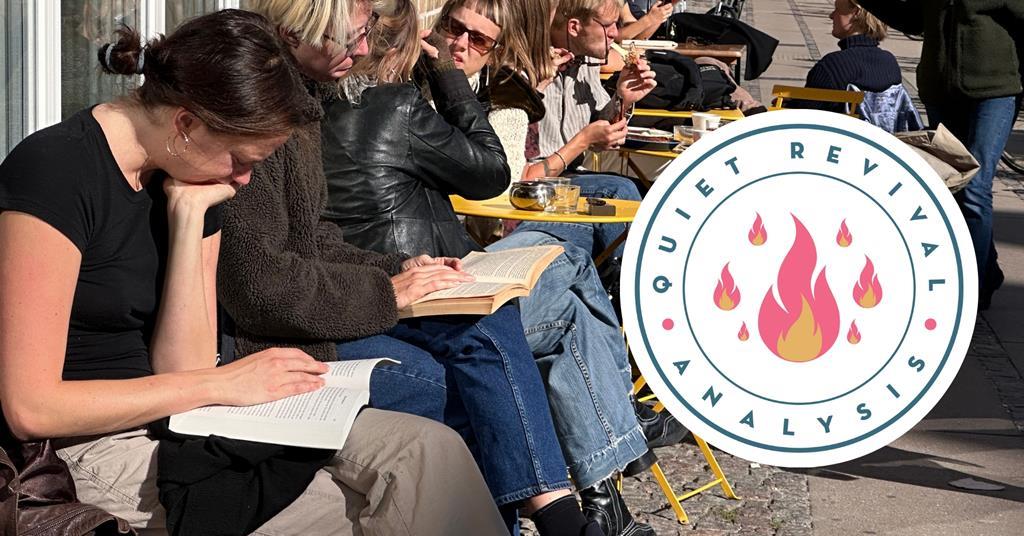
Up and down the country, stories are emerging of young Gen Zers buying Bibles online and encountering Jesus alone in their bedrooms.
In my own ordinary part of the UK, I’ve witnessed this first hand, which means it really is happening everywhere. The 28-year-old builder who “felt funny” when visiting a church on holiday and subsequently ordered a Bible, slowing becoming convinced of its truth. The young girl who confided in her brother that she’d found faith – only to hear he’d become a Christian two years earlier and not told anyone.
The teenage boy who started popping into his village church when he felt stressed during Covid, sitting quietly in the empty building and finding God on his own. The CrossFit crew who were drawn to faith as they read the Bible and debated it among themselves, despite never having met a Christian or attended church. The teen who walked past a Christian bookshop and, one day, felt compelled to go in and ask for a Bible as she struggled with her mental health.
These miraculous stories are undoubtedly good news – but they also bring challenges that many churches have never faced before.
Gen Z are a spiritually curious generation, free from the baggage that turned many of their Gen X parents away from church. But they also lack even a basic knowledge of Christian teaching. They might encounter Jesus in their bedrooms, but what happens next?
When today’s young convert is looking for Christian content, the last place many turn is a local church. Dubbed the “anxious generation”, many find crowds an uncomfortable – and alien – environment. Plus, they can listen to world class preachers, Christian artists and podcasters in the comfort of their own home. In a prescient article back in 2019, author Skye Jethani warned that online content would become a serious threat to the flourishing of Sunday morning gatherings geared around the 40-minute sermon. Six years later, his words still deserve serious consideration.
If Gen Z are finding Jesus but not church, this presents a profound discipleship challenge. Bible Society’s Quiet Revival report showed that younger Christians read their Bible far more than older Christians. Yet, as Jean Kabasomi reflected for this magazine: “far less reported is the difficulty younger Christians face in understanding and interpreting the Bible.”
The research showed that the more young people study and explore the Bible, the more they lose confidence in it – often due to “culture and the media”.
Gen Z are a blank slate spiritually, but they have been fully formed by the culture that surrounds them. They meet Jesus in the Gospels, but when it comes to wrestling with the harder parts of scripture – many of which conflict with the values they hold dear, particularly around sexual ethics, gender or the sanctity of life – things get trickier.
If they are not involved in a local church, who is there to walk with them through these issues? To help nurture their faith when things get difficult and separate the salvation issues from those we all wrestle with? To help them understand scripture in context, and to not run for the hills when what they read first clashes with what they’ve been brought up to believe?
If they do seek out a church, confronting these issues head-on can be difficult. Once upon a time, a preacher could assume that the majority of their congregation would be aligned on most issues. Today, this is far from true. The gap between the pews and the public is greater than ever.
In its recent Global Voices survey, the Lausanne Movement spoke to 1,030 mission leaders from 119 countries. Their aim was to understand “what leaders are seeing, sensing, and hoping for…at a moment when the Church faces a complex and rapidly changing world.”
Part of that change is the way in which people are now coming to faith – and how that affects their onward discipleship journey. When asked who has the most trust and impact in sharing the gospel, pastors and church leaders took third place in Europe, behind the “everyday Christians” that people knew and Christian creatives – the artists, storytellers and filmmakers that many seek out online.
In this context, leaders need to read the times more closely than perhaps ever before. More discernment is needed to decide which issues are preached from the pulpit – and how new believers hear the things that many of us take for granted as the established, Christian point of view. Gen Z are far less likely than older generations to simply ‘accept’ what they are told by those in positions of authority, however hard that may be for some church leaders to swallow.
This doesn’t mean compromising on the truth of God’s word, but it may mean changing how we communicate in order to reach – and keep – a generation who are both hungry for Jesus and yet have little knowledge of his ways. If we don’t, the seed of their faith may get choked or snatched away before it can take root (see Luke 8).
In world where we can get teaching anywhere, what the Church needs to offer Gen Z is genuine community. A place where we can come together as family and experience God. Where we can be real, bringing our difficult questions and deepest fears. Where we can disagree, debate and slowly grow, becoming like Christ in every aspect (see Ephesians 4: 13-16).
Then we will see this quiet revival put down strong roots that yield a crop “100 times more than was sown”.


Grab this Deal!
We’re celebrating a remarkable journey from our humble beginnings as Buzz in the 1960s to the vibrant, multi-platform publication we are today. One thing has remained constant: our commitment to connecting faith with the world around us. To celebrate our birthday, we are offering you a Print and Digital subscription for just £24 your first 12 months!
Subscribe Today
*Offer applies in UK only, but check here for our overseas offers
2025-11-28T11:01:00Z
A new report by Anglican priest and scholar Dr Mark Durie argues that grooming-gang activity across the UK isn’t connected to ethnicity but to Islamic theology.
2025-11-28T03:29:00Z
Church should be a refuge – but for many, attending a Sunday service is tough. AJ Gomez investigates why some Christians find gathering together difficult, and what both leaders and individuals can do to help
2025-11-27T15:26:00Z
The new Archbishop of Melbourne might be leaving the UK for warmer climes – but he is adament that long-term decline in the Church of England is giving way to renewal
2025-11-28T09:50:00Z
Following The Spectator’s critique of “funky vicars”, Rev Michael Coren pushes back, defending his fellow clergy in the public eye and questioning a culture that he says is quicker to sneer than to support
2025-11-27T16:21:00Z
The fear of wealth taxes is driving many UK billionaires offshore to places with friendlier tax policies. George Pitcher is questioning their refusal to undertake a shared duty to give back, and the price they’re paying for it that isn’t financial
2025-11-27T13:52:00Z
Northern Ireland’s Christian-based curriculum breaches human rights law, according to a new Supreme Court ruling. And yet similar challenges to LGBT teaching have repeatedly failed, notes Christian Concern lawyer Roger Kiska — an inconsistency he says reveals a troubling double standard
Site powered by Webvision Cloud